
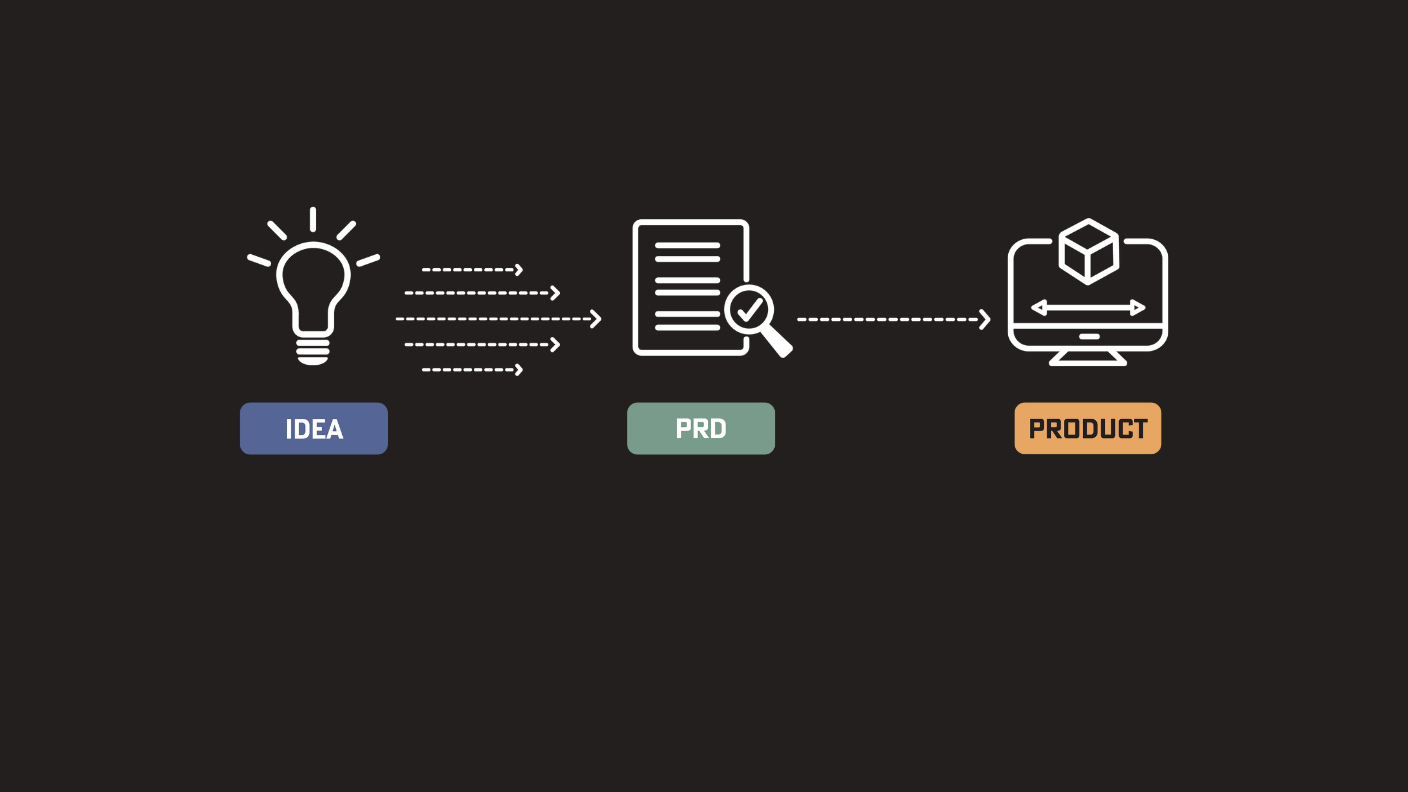
You have an idea for a new product and are ready to engage an engineering partner. The first instinct is often to ask for a proposal. However, a hard-earned truth in product development is that the quality of the proposal you receive is only as good as the clarity of the information you provide. This is where a Product Requirements Document (PRD) is essential.
A well-crafted PRD serves as the roadmap for your project, guiding it from concept to launch.
What is a PRD?
A Product Requirements Document is a comprehensive description of what a product is, who it's for, and what it should do. It precisely defines the scope, eliminates ambiguities, and serves as a single source of truth for all stakeholders.
Crucially, a good PRD focuses on the what and why, not the how. This is exactly what engineers need to begin scoping.
A complete PRD typically outlines:
- Purpose and Business Goals: The problem you're solving and the goals the product achieves.
- User Stories/Use Cases: Who the users are and how they will interact with the product.
- Features and Requirements: A prioritized list of what the product must do.
- Success Criteria: The metrics you'll use to know the project is successful.
- Constraints: Any limitations (e.g., physical, technical, regulatory).
Why a Prouct Requirments Document Leads to a Better Proposal
Presenting a clear PRD before requesting a proposal leads directly to several key benefits:
Accurate Proposals |
| Clearly defined requirements lead to more accurate project estimates and budgets. It’s difficult to budget for a "moving target". |
Team Alignment |
| A PRD acts as a single source of truth, ensuring engineers, designers, and product managers interpret the requirements the same way. |
Faster Turnaround |
| If you’ve already done the up-front thinking, the development team can skip the guesswork and get straight to estimating and planning. |
Fewer Surprises |
| Investing time in a good PRD reduces costly mid-project surprises. It's much cheaper to refine a requirement on paper than to fix a mistake during development. |
Engineers love a good PRD. It gives them room to suggest optimizations, point out red flags, and even save you time or money before development begins.
How to write a solid PRD
A thorough PRD can be broken down into key sections. Here is a step-by-step guide to what you should include.
1. Purpose and Business Goals
Start with the "Why". In plain language, describe the problem you're solving and the business or user goals it achieves (e.g., "This product will allow technicians to detect gas leaks faster, improving safety"). Include background context as needed – e.g. market opportunity, customer pain points, or how this project aligns with the company's strategic objectives.
A strong purpose statement ensures everyone understands why the project exists and what success looks like at a high level. This section acts as the "north star" for all decisions. When in doubt, team members should be able to revisit it and ask, "Is what I'm doing serving these goals?".
 Business Goal - develop haptic device to reduce pain for kids getting procedures.
2. User Stories and Use Cases
Describe who the end users are and how they will use the product. Write simple user stories to frame needs (e.g., "As a field technician, I want to monitor status remotely, so that I don't need to climb the tower"). Focus on the user's problem in real-world terms, without using technical jargon or solution (e.g., "The unit must remain operational in heavy rain"). If there are multiple user personas, cover each of their key needs.
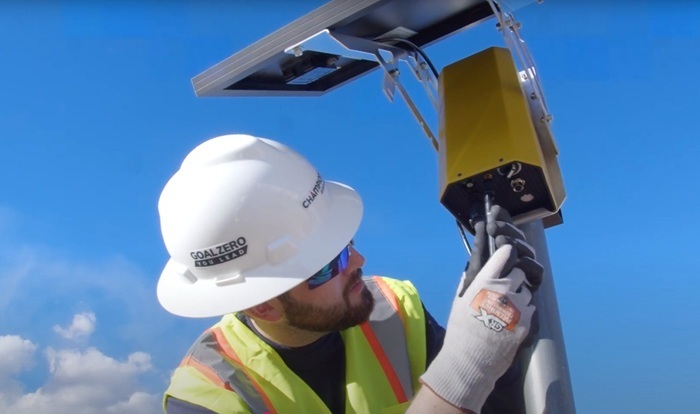 Unit must capture gas leaks and be powered by solar.
3. Features and Requirements (Prioritized)
This is the heart of the PRD: a detailed breakdown of features and requirements. For each major feature or functional area, list the specific requirements that must be met.
Make requirements testable (e.g., "Device will trigger an audible alarm >90 dB") rather than vague ("user-friendly").
Alongside each requirement or feature, indicate its priority. This is critical for managing scope and making trade-offs. Use a simple system:
- P0 (Must-Have): The core features without which the product fails.
- P1 (Should-Have): Important but could be deferred if necessary.
- P2 (Nice-to-Have): Bonus features for a future release.
Remember to include any non-functional requirements here as well (like reliability, security, usability constraints) if they're critical. And keep everything tied back to the use cases: each requirement should enable or enhance a user story from the previous section. If it doesn't, question why it's included.
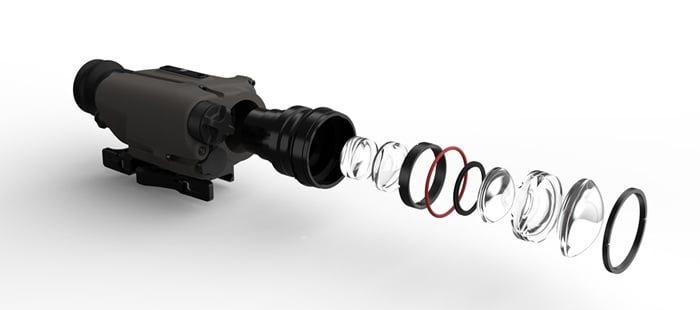 Camera with PO feature of providing imagery in infrared
4. Success Criteria and Metrics
Define how you will know the product is successful and "done”. For acceptance criteria, list requirements in testable form – essentially the definition of done for the product (e.g., "Device passes 1-meter drop test with no functional damage" [criterion met]).
On the broader scale, success metrics could include things like performance benchmarks (e.g. battery life of 10+ hours), regulatory approvals (e.g., FCC certified by Q4), or user satisfaction targets (e.g. ≥4.5 average rating in beta feedback). It often includes both acceptance criteria for individual features and key performance indicators (KPIs) for the product as a whole.
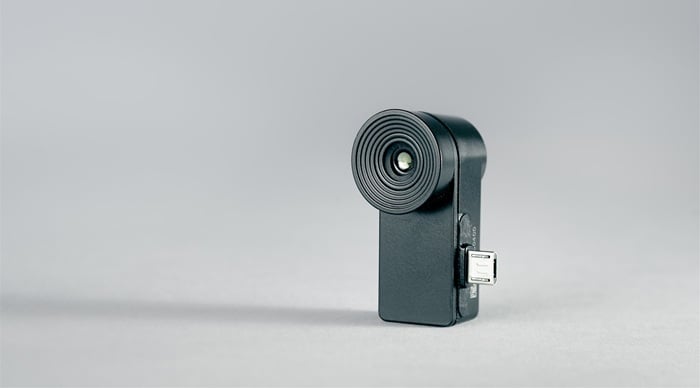 Smartphone accessory must meet IP67 requirements
5. Constraints and Considerations
Think of this section as defining the playing field and guardrails for your product. Every project has limits – this section captures all known limitations the solution must work within. They can include technical (e.g., "compatibility with legacy systems"), physical (e.g., dimensions, weight, environmental conditions, materials), or regulatory constraints (e.g., "must be IP67 rated").
Note any assumptions or dependencies relevant to requirements. For instance, "assuming availability of ABC sensor module; if not, specs may need revisiting." It's useful to differentiate hard constraints (inflexible requirements) from preferences. Also note anything explicitly out-of-scope to set clear boundaries.
 Engineering team review supporting imagery for attachment to PRD
6. Attachments and Supporting Documentation
Finally, include a section for any attachments that provide context, such as concept sketches, wireframes, flowcharts, or diagrams. A glossary of terms can also be helpful to avoid misunderstandings.
Common Pitfalls to Avoid
- Vagueness: Avoid subjective terms like "good performance". Be specific and use numbers (e.g., "operates from -10°C to 50°C").
- The "Wish List": A PRD is not a dumping ground for all ideas. Prioritize ruthlessly and move "future" ideas to a separate list to keep the core PRD feasible.
- Designing the Solution: The PRD should define the problem (the "what"), not the implementation (the "how"). For example, state "waterproof to IP67”, not "must use a 5mm neoprene gasket". This leaves room for engineers to innovate.
- Treating it as "Set in Stone": A PRD is a living document. It should be updated as new information is learned during development to keep it in sync with reality.
- Writing in a Vacuum: A PRD created by one person or one function alone (without input from others) is a recipe for misalignment.
- Not Prioritizing Feature: Without prioritizing requirements, teams struggle to distinguish must-haves from nice-to-haves, leading to wasted effort and tough trade-off decisions if deadlines shift.
Bring a Plan, Not Just an Idea
Before you ask for that next proposal, pause and ask yourself:
- Have I clearly defined the problem we’re solving?
- Do I know what “done” looks like?
- Are the must-haves and nice-to-haves sorted?
You don’t need a perfect, 12-page masterpiece. But you do need a plan.
Crafting a solid PRD is an investment that pays off by forcing tough questions to be answered early and creating a shared understanding of what will be built and why.
So, next time you reach out for a proposal, don’t just bring an idea—bring a plan. Your engineering team (and your future self) will thank you.
Download Product Requirements Template (WORD)